Coral Island Tips & Guide: The Complete Beginner to Endgame Farming Handbook
Introduction
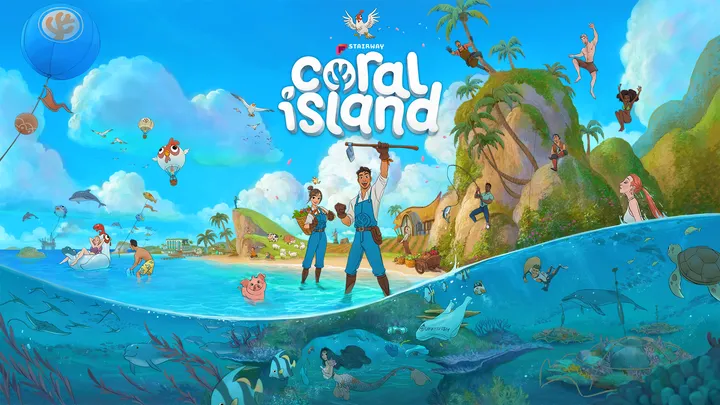
Coral Island is a farming and life simulation game that combines agriculture, ranching, fishing, mining, diving, town restoration, and relationship building into a vibrant tropical adventure. Set on a beautiful island community, players inherit an abandoned farm and work to transform it into a thriving agricultural business while helping restore the island's environment and economy.
While Coral Island shares similarities with classic farming simulators, it introduces several unique systems, including underwater exploration, environmental restoration, extensive character interactions, and a large variety of activities. New players often feel overwhelmed by the number of available options and struggle to determine where they should focus their time.
Success in Coral Island comes from balancing multiple progression systems rather than dedicating all your efforts to a single activity. This guide covers everything from your first season to late-game optimization, helping you build a prosperous farm and enjoy everything the island has to offer.
1. Prioritize Early Farm Development
Your farm is the primary source of income during the early stages of the game.
Many new players spend excessive time exploring the town and surrounding areas while neglecting crop production. Although exploration is important, establishing a stable income should always be the first objective.
During the first season, focus on creating a manageable farming operation that can grow steadily over time.
Early Farm Priorities
- Clear enough land for crops.
- Plant seeds immediately.
- Build storage chests.
- Save money for future seeds.
- Water crops consistently.
Why Farming Comes First
Crops provide reliable income that supports tool upgrades, animal purchases, and future expansion.
A productive farm creates opportunities throughout the entire game.
2. Manage Energy Efficiently
Energy is one of the most important resources during the early game.
Every action, from watering crops to mining ore, consumes stamina. Running out of energy too early limits daily productivity and slows progression.
Many beginners waste energy clearing unnecessary areas of their farm.
Best Uses for Early Energy
- Watering crops
- Gathering resources
- Mining ore
- Diving
- Fishing
Energy Conservation Tips
Upgrade Tools Quickly
Better tools reduce energy consumption.
Carry Food
Snacks and meals allow longer workdays.
Focus on Priorities
Avoid spending energy on unnecessary tasks.
Good energy management significantly improves early-game efficiency.
3. Upgrade Tools as Soon as Possible
Tool upgrades offer some of the strongest progression boosts available.
Many players save money for decorations or animals while continuing to use inefficient starter tools.
Every upgraded tool increases productivity and saves valuable energy.
Upgrade Priority
- Watering Can
- Pickaxe
- Axe
- Hoe
- Scythe
Benefits of Better Tools
- Faster resource gathering
- Lower stamina costs
- Larger action areas
- Improved daily efficiency
Early upgrades pay for themselves through increased productivity.
4. Explore the Ocean Regularly
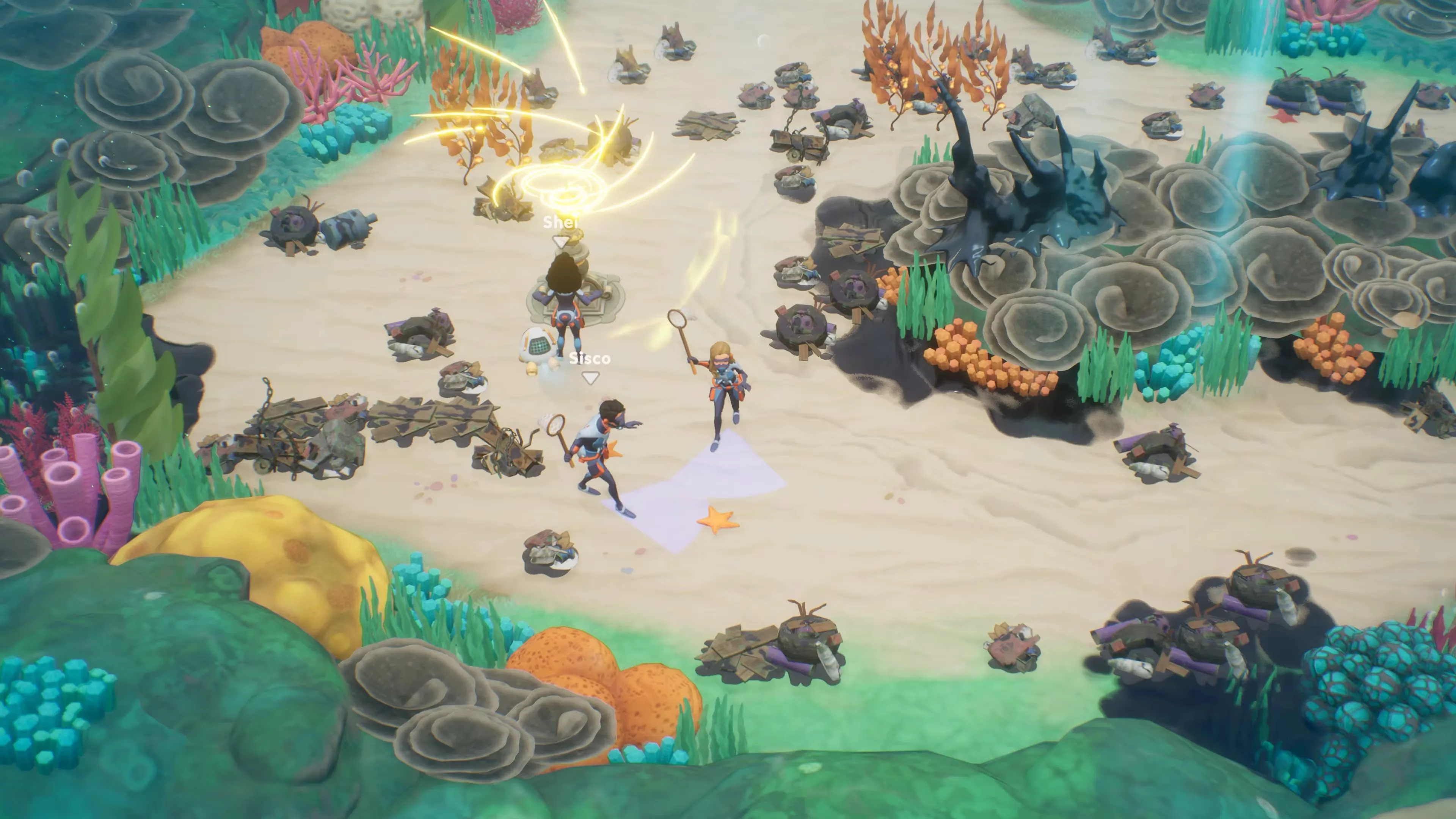
Diving is one of Coral Island's most distinctive features.
Unlike traditional farming games, restoring the ocean plays a major role in progression and environmental recovery.
Many beginners postpone diving because farming seems more profitable initially.
Benefits of Diving
- Environmental restoration
- Valuable resources
- Museum donations
- Story progression
Diving Tips
Bring Energy Recovery Items
Long dives consume significant stamina.
Clear Trash Efficiently
Focus on unlocking new areas.
Upgrade Equipment
Improved diving gear increases effectiveness.
Ocean exploration provides rewards that benefit nearly every other activity.
5. Develop Multiple Income Sources
Relying exclusively on crops can limit progression.
Coral Island offers numerous ways to earn money, and successful players diversify their income streams.
Major Income Sources
- Crops
- Fishing
- Ranching
- Mining
- Artisan goods
- Foraging
Why Diversification Matters
Different activities perform better during different seasons and stages of progression.
Having multiple revenue streams protects you from setbacks and increases financial stability.
Early Combination Strategy
Pair farming with fishing for a reliable balance of income and resource gathering.
6. Build Relationships Early
The island is filled with unique characters, each offering stories, rewards, and friendship opportunities.
Many players postpone social interactions until later in the game.
Building relationships early creates long-term benefits.
Ways to Increase Friendship
- Daily conversations
- Gift giving
- Event participation
- Completing requests
Benefits of Friendship
Additional Story Content
Characters reveal more about their lives over time.
Valuable Rewards
Some friendships unlock useful items and recipes.
Romance Options
Several residents are available as potential partners.
Consistent interaction makes relationship progression much easier.
7. Prepare for Ranching Expansion
Animals become an important source of income during the mid-game.
Many beginners delay ranching because of the initial investment costs.
However, animal products often generate steady profits and support artisan production.
First Animals to Consider
- Chickens
- Cows
- Ducks
Ranching Advantages
- Daily income
- Artisan product opportunities
- Consistent resource generation
Animal Care Tips
Always maintain feed supplies and monitor animal happiness for maximum productivity.
Healthy animals produce higher-quality goods.
8. Master Mining and Resource Collection
Mining provides essential materials required for upgrades, crafting, and progression.
Many important tools and machines depend on ores gathered underground.
Valuable Mining Resources
- Copper Ore
- Silver Ore
- Gold Ore
- Gems
- Coal
Mining Strategy
Focus on Resource Floors
Prioritize levels with valuable ore deposits.
Upgrade Pickaxes
Improved tools dramatically increase efficiency.
Carry Food
Long mining sessions require stamina recovery.
Mining supports nearly every major progression system in the game.
9. Invest in Artisan Production
As your farm grows, raw products become less profitable than processed goods.
Artisan machines allow players to convert resources into higher-value products.
Examples of Artisan Goods
- Cheese
- Mayonnaise
- Jam
- Juice
- Pickled vegetables
Why Processing Matters
Processed products often sell for significantly more than their raw ingredients.
This creates one of the most effective long-term profit strategies available.
Expansion Tips
Gradually increase artisan production rather than attempting to build a massive processing network immediately.
10. Optimize for Late-Game Success
The late game focuses on efficiency, collection completion, and large-scale production.
By this stage, players typically manage extensive farms, ranches, artisan facilities, and community projects.
Late-Game Goals
- Complete museum collections.
- Maximize farm profits.
- Fully restore the ocean.
- Upgrade all tools.
- Build strong relationships.
- Optimize production chains.
Advanced Efficiency Strategies
Automate Farm Tasks
Use available systems to reduce manual labor.
Organize Production Areas
Group machines logically.
Maintain Resource Reserves
Large projects often require substantial materials.
Continue Diversifying Income
Multiple revenue sources improve long-term stability.
The most successful farms operate efficiently across every major system.
Conclusion
Coral Island offers a rich blend of farming, ranching, diving, mining, fishing, and social interaction that creates a rewarding and flexible gameplay experience. While the early game focuses on building a stable farm and generating income, later stages challenge players to optimize production, restore the environment, and develop meaningful relationships throughout the community.
By prioritizing farming, upgrading tools early, exploring the ocean regularly, diversifying income sources, investing in artisan production, and maintaining steady progression across all systems, you'll avoid many of the common mistakes that slow development. Whether your goal is creating the ultimate farm, completing every collection, or fully restoring the island, these strategies will help you achieve long-term success.