






Introduction
Call of Duty®: Vanguard is a fast-paced, skill-driven shooter that rewards players who understand mechanics, positioning, loadouts, and pacing rather than raw reflexes alone. While it shares DNA with other Call of Duty titles, Vanguard has its own movement flow, weapon balance, map design, and combat rhythm that require specific mastery.
This guide is written as a true “how to” manual. It is not a review and does not focus on opinions. Instead, it teaches you how to play Vanguard effectively from your very first match to advanced competitive play. You will learn how to move efficiently, aim better, build strong loadouts, read maps, control objectives, and improve consistently.
By following this guide step by step, you will develop habits that turn you from a reactive player into a confident, match-controlling one.
How to Understand Vanguard’s Core Gameplay and Pacing
The first step to mastering Vanguard is understanding its pace. Vanguard sits between classic Call of Duty speed and modern hyper-mobility. Gunfights are fast, time-to-kill is relatively short, and positioning matters more than extended duels.
Unlike slower tactical shooters, Vanguard rewards decisive action. Hesitation often leads to being flanked or overwhelmed. However, reckless rushing without map awareness is equally punished. The goal is controlled aggression.
Each match revolves around spawn control, lane pressure, and objective timing. Whether you are playing Team Deathmatch or Domination, the player who understands when to push and when to hold ground will outperform players with better aim but worse decision-making.
How to Optimize Settings for Better Performance
Before improving skill, you must optimize your settings. Proper configuration directly improves reaction time and visibility.
Lower unnecessary visual effects to reduce distractions. Increase field of view to see more peripheral movement, especially on larger maps. Adjust sensitivity so that you can track targets smoothly without over-correcting.
Audio is critical. Footsteps, reloads, and environmental cues provide information before enemies appear on screen. Use a headset and tune audio balance to prioritize effects over music.
These adjustments do not make you better instantly, but they remove barriers that prevent consistent improvement.
How to Master Movement and Positioning
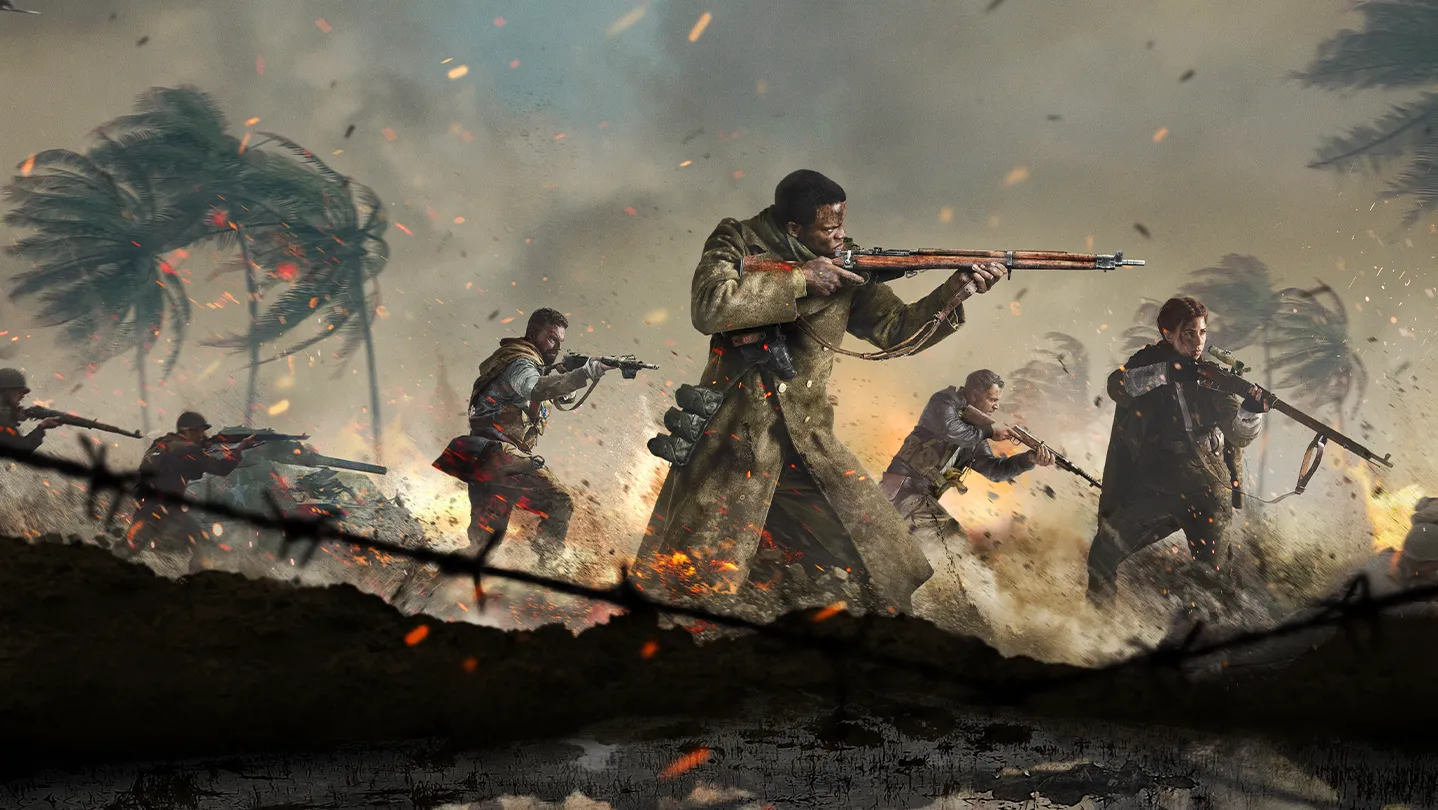
Movement in Vanguard is not about constant sprinting. It is about moving with purpose.
Learn to combine sprinting, tactical sprint, sliding, and strafing fluidly. Sliding is best used to break enemy aim during close-range engagements, not as a default movement tool. Strafing while shooting improves survivability more than jumping in most situations.
Positioning is equally important. Avoid standing in open areas. Use cover, head-glitches, and angles that limit how many enemies can see you at once. Always think about where the next threat could come from.
Strong movement and positioning reduce deaths more than better aim ever will.
How to Aim Consistently and Win Gunfights
Aiming in Vanguard is about consistency, not flicks. Because time-to-kill is short, the player who lands the first accurate shots usually wins.
Focus on centering your crosshair at chest or head level before engagements. This minimizes the distance you need to adjust when an enemy appears. Avoid aiming at the ground while moving.
Fire in controlled bursts at medium range. Full auto spraying reduces accuracy and wastes ammunition. Learn recoil patterns for your favorite weapons and practice counter-movement.
Winning gunfights consistently comes from preparation, not reaction.
How to Build Effective Loadouts
Loadouts define how you approach the game. A good loadout supports your playstyle rather than fighting against it.
Choose weapons based on engagement distance. Submachine guns excel at close range, assault rifles dominate mid-range, and sniper rifles reward patience and positioning.
Attachments should improve stability and consistency first. Faster reloads, better recoil control, and improved handling often outperform pure damage boosts. Perks should complement your role, whether that is flanking, objective control, or anchoring spawns.
Avoid copying random meta builds without understanding why they work. Adapt loadouts to your strengths.
How to Read Maps and Control Spawns
Map awareness is one of the most important skills in Vanguard.
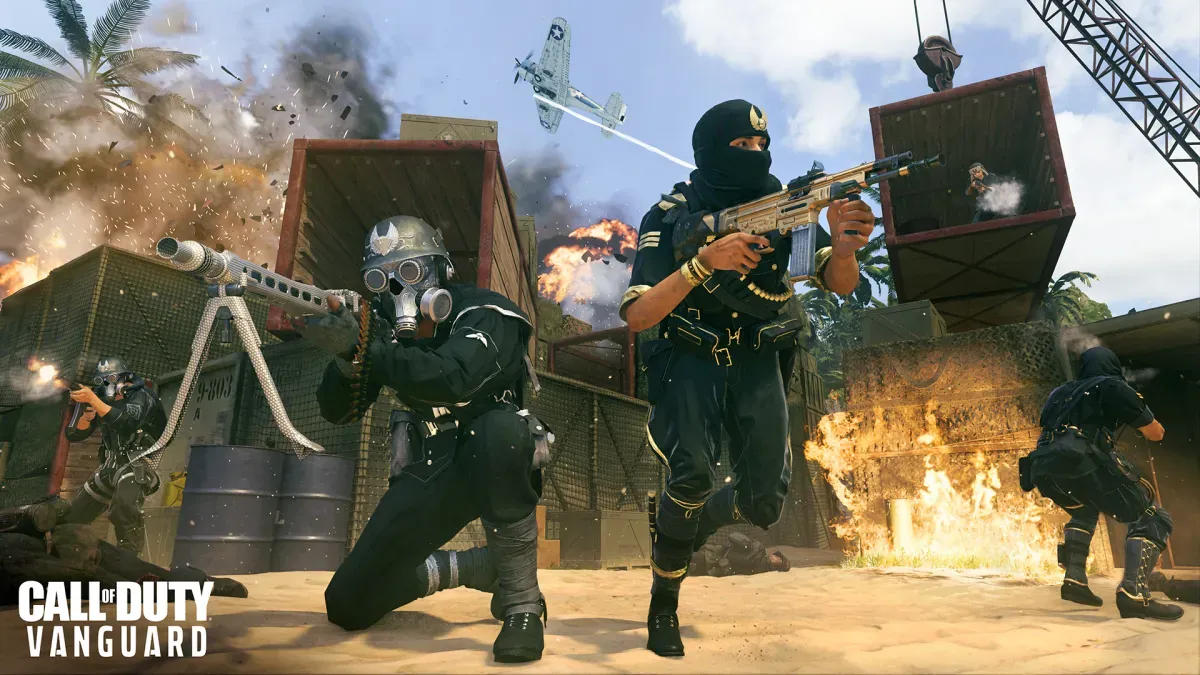
Learn common lanes, choke points, and power positions. Every map has areas that naturally attract combat. Understanding these zones allows you to anticipate enemy movement.
Spawns are influenced by player positioning. If your team pushes too far into enemy territory, spawns may flip unexpectedly. Learn when to hold positions and when to push to maintain control.
Good map knowledge turns chaotic matches into predictable systems you can exploit.
How to Play Objectives the Right Way
Objectives win games, not kill counts.
In modes like Domination, Hardpoint, and Patrol, positioning and timing matter more than raw aggression. Arriving early to an objective often matters more than clearing it late.
Use grenades and equipment to deny space rather than chase kills. Defending an objective often means holding angles and controlling entrances, not running around the zone.
Players who consistently play objectives gain more score, influence matches, and improve faster than kill-focused players.
How to Use Equipment and Killstreaks Effectively
Equipment and killstreaks are tools, not rewards.
Grenades are best used to force enemies out of cover rather than to secure random kills. Tactical equipment provides information, slows pushes, or creates openings.
Killstreaks should be deployed strategically. Use them to break enemy control of objectives, not simply as soon as they are earned. Timing matters more than quantity.
Smart use of tools often shifts the momentum of an entire match.
How to Improve in Ranked and Competitive Play
Competitive play in Vanguard demands discipline.
Positioning, communication, and role clarity matter more than individual performance. Learn your role within the team, whether that is entry, support, or anchor.
Avoid unnecessary risks. Dying early often gives the enemy map control. Play your life and trade effectively with teammates.
Review your matches mentally. Identify positioning mistakes rather than blaming teammates or mechanics. Improvement comes from accountability.
How to Build Consistent Improvement Habits
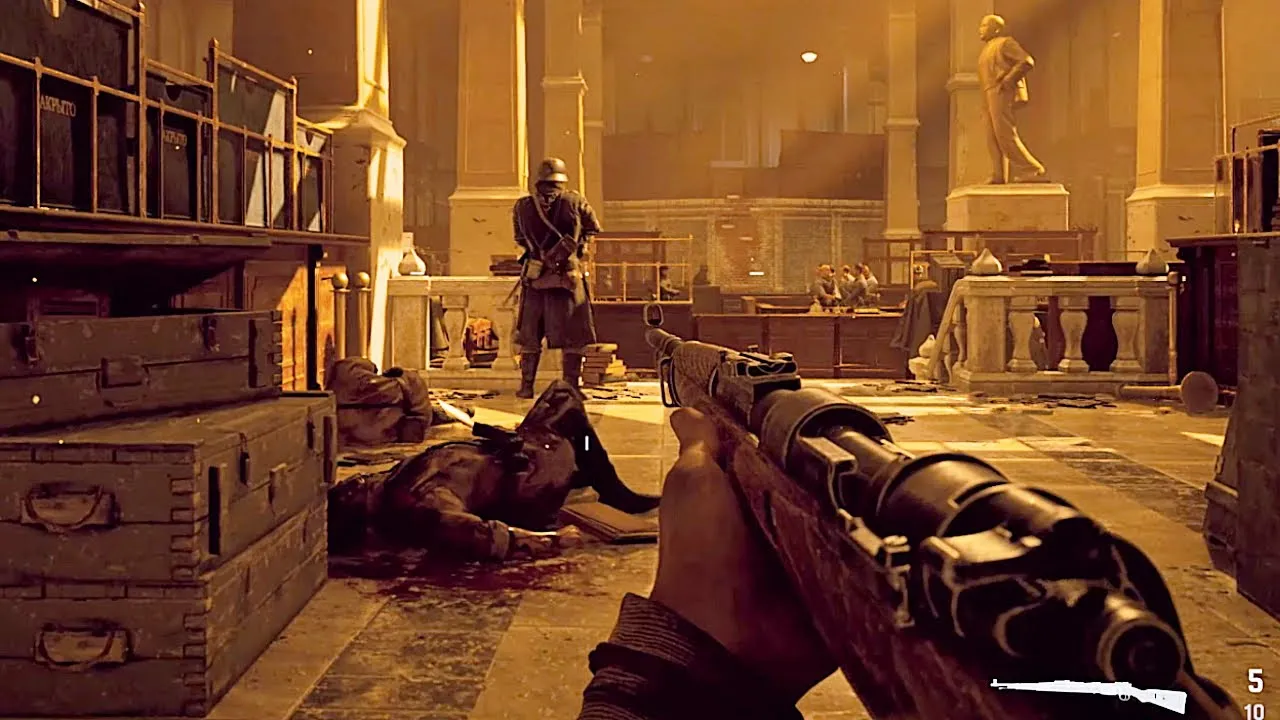
Improvement is not about playing endlessly. It is about focused practice.
Set small goals, such as improving positioning on one map or mastering one weapon class. Track progress over time rather than match-to-match performance.
Take breaks when frustration builds. Fatigue leads to bad habits. Watching skilled players can provide insight, but only if you actively analyze their decisions.
Consistency over time creates mastery.
Conclusion
Call of Duty®: Vanguard rewards players who approach the game with intention, discipline, and awareness. By understanding pacing, optimizing settings, mastering movement, building smart loadouts, and playing objectives correctly, you can transform your performance regardless of mechanical skill level.
This guide has shown you how to improve step by step, from fundamentals to advanced strategies. Apply these lessons patiently, focus on consistency, and Vanguard will become a game you control rather than react to.
160-Character Summary:
A complete step-by-step guide on how to master Call of Duty®: Vanguard, covering movement, loadouts, aiming, objectives, maps, and consistent improvement.