How to Survive and Progress Efficiently in Trees Hate You: Step-by-Step Strategy Guide
Introduction
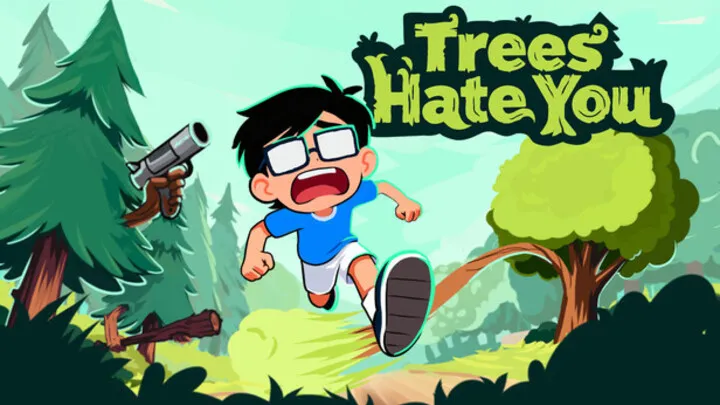
Trees Hate You is not a typical survival game. It throws players into unpredictable, often chaotic situations where the environment itself becomes the main threat. Unlike traditional survival games where enemies are clearly defined, here the danger comes from constant pressure, unexpected hazards, and punishing mechanics that test your reflexes and decision-making.
This guide focuses on one specific objective: how to survive longer and progress efficiently using a structured step-by-step approach. Instead of relying on luck or repeated failure, you will learn a consistent method to improve your gameplay, reduce mistakes, and adapt to increasing difficulty.
By following this system, you will gain better control over movement, timing, and risk management—three essential elements for lasting longer in the game.
1. Identify Immediate Threats
Step 1: Assess the Environment
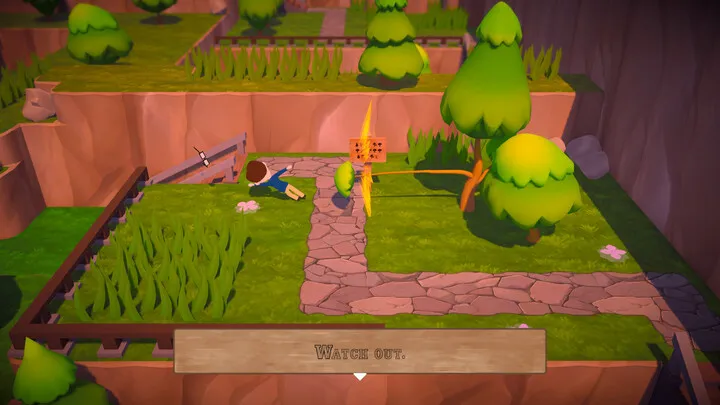
As soon as you start, your first priority is awareness. You need to quickly understand what is dangerous around you.
What to Look For
- Moving hazards
- Environmental traps
- Limited safe zones
- Sudden changes in terrain
Recognizing threats early gives you time to react instead of panic.
2. Master Basic Movement Control
Step 2: Stay in Control
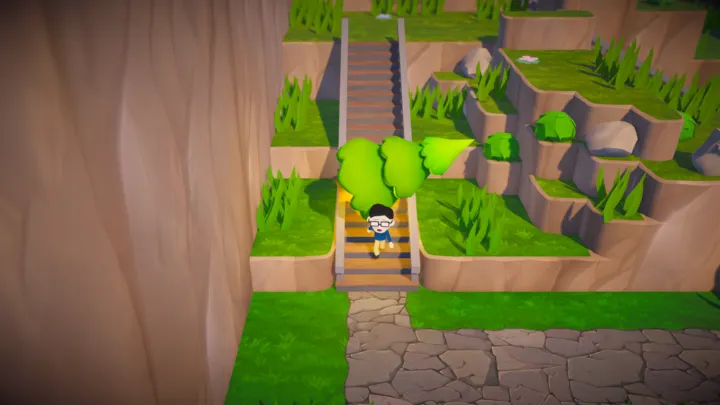
Movement is your most important survival tool. Poor control leads to unnecessary mistakes.
Movement Tips
- Avoid sudden direction changes
- Keep movements smooth and controlled
- Stay within safe zones
- Do not rush unnecessarily
Precision is more important than speed.
3. Learn Hazard Patterns
Step 3: Observe Before Reacting
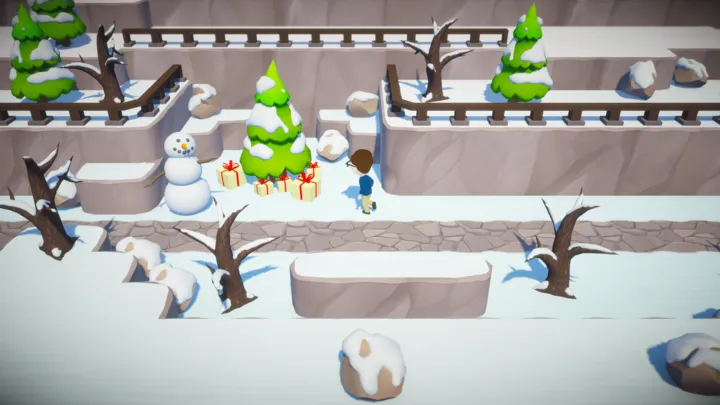
Most hazards follow patterns, even if they seem chaotic at first.
Pattern Recognition
- Watch repeated movements
- Identify timing intervals
- Learn safe gaps
- Predict next actions
Understanding patterns reduces randomness.
4. Manage Risk vs Reward
Step 4: Choose When to Act
Not every opportunity is worth taking. Some actions increase your risk unnecessarily.
Decision-Making Tips
- Avoid high-risk moves early
- Prioritize safety over speed
- Take calculated risks only
- Know when to wait
Smart decisions extend survival time.
5. Control Your Positioning
Step 5: Stay in Safe Zones
Positioning determines how much time you have to react.
Positioning Tips
- Stay away from edges
- Keep distance from hazards
- Avoid crowded areas
- Maintain escape paths
Good positioning reduces pressure.
6. React with Timing, Not Panic
Step 6: Execute at the Right Moment
Panic reactions lead to mistakes. Timing is key.
Timing Strategies
- Wait for the right opening
- Move during safe windows
- Avoid spamming actions
- Stay calm under pressure
Controlled timing improves consistency.
7. Adapt to Increasing Difficulty
Step 7: Adjust Your Playstyle
As the game progresses, difficulty increases. You must adapt.
Adaptation Tips
- React faster but stay precise
- Adjust positioning frequently
- Learn from mistakes
- Stay focused
Flexibility is essential for survival.
8. Minimize Unnecessary Movement
Step 8: Stay Efficient
Moving too much increases risk.
Efficiency Tips
- Move only when needed
- Avoid random wandering
- Hold position when safe
- Plan movements ahead
Efficiency reduces exposure to danger.
9. Recover from Mistakes Quickly
Step 9: Reset Your Position
Mistakes happen. The key is fast recovery.
Recovery Strategies
- Move to nearest safe zone
- Stop and reassess
- Avoid chain mistakes
- Regain control immediately
Quick recovery prevents failure.
10. Build Consistency Over Time
Step 10: Improve Gradually
Survival improves with practice and consistency.
Long-Term Tips
- Focus on small improvements
- Learn patterns faster each run
- Stay patient
- Develop muscle memory
Consistency leads to long-term success.
Conclusion
Learning how to survive and progress efficiently in Trees Hate You is about mastering control, awareness, and decision-making. By following a structured approach—observing threats, controlling movement, and reacting with proper timing—you can significantly improve your performance.
The game rewards patience and precision over speed and aggression. With practice, what once felt chaotic becomes predictable and manageable.