





The First Descendant is a visually impressive looter‑shooter with fast movement, flashy abilities, and a satisfying combat loop. But beneath its polished exterior lies a progression economy that has become one of the most debated aspects of the game. Players quickly discover that the biggest challenge isn’t the enemies or the bosses — it’s the overwhelming number of materials, the RNG‑locked components, and the multi‑layered upgrade systems that shape every step of progression. This article explores the issue in depth, tracing how the economy evolved, why it frustrates players, and how it affects long‑term engagement.
1. The Early Game Illusion: When Progression Feels Smooth
The First Descendant begins with a deceptively smooth progression curve. Early missions reward players generously, crafting materials drop frequently, and the first few Descendants feel within reach. This creates a sense of momentum that encourages players to explore the world and experiment with builds.
However, this early accessibility hides the deeper complexity of the game’s economy. Early crafting requires only a handful of materials, and drop rates are forgiving. Players do not yet encounter the dozens of specialized materials, rare RNG‑locked components, or multi‑layered upgrade systems that define the mid‑ and late‑game. This creates a false sense of security.
Early Game Strengths
- Clear goals
- Frequent rewards
- Low material complexity
The Hidden Problem
The early game does not prepare players for the exponential increase in material requirements later.
2. The First Wall: Discovering Material Bloat
Material bloat becomes apparent as soon as players attempt to craft their second or third Descendant. Suddenly, the game introduces dozens of new materials, each tied to specific regions, bosses, or mission types. The simplicity of early progression gives way to a sprawling list of components with confusing names and unclear drop sources.
This is where frustration begins. Players must track materials across multiple zones, each with its own drop tables and RNG layers. The game provides some guidance, but the sheer volume of materials overwhelms new players. Instead of feeling empowered, players feel burdened by the need to farm specific items for hours.
Common Pain Points
- Too many material types
- Poor in‑game explanations
- Region‑locked farming requirements
The Psychological Impact
Material bloat creates a sense of grind fatigue long before players reach endgame.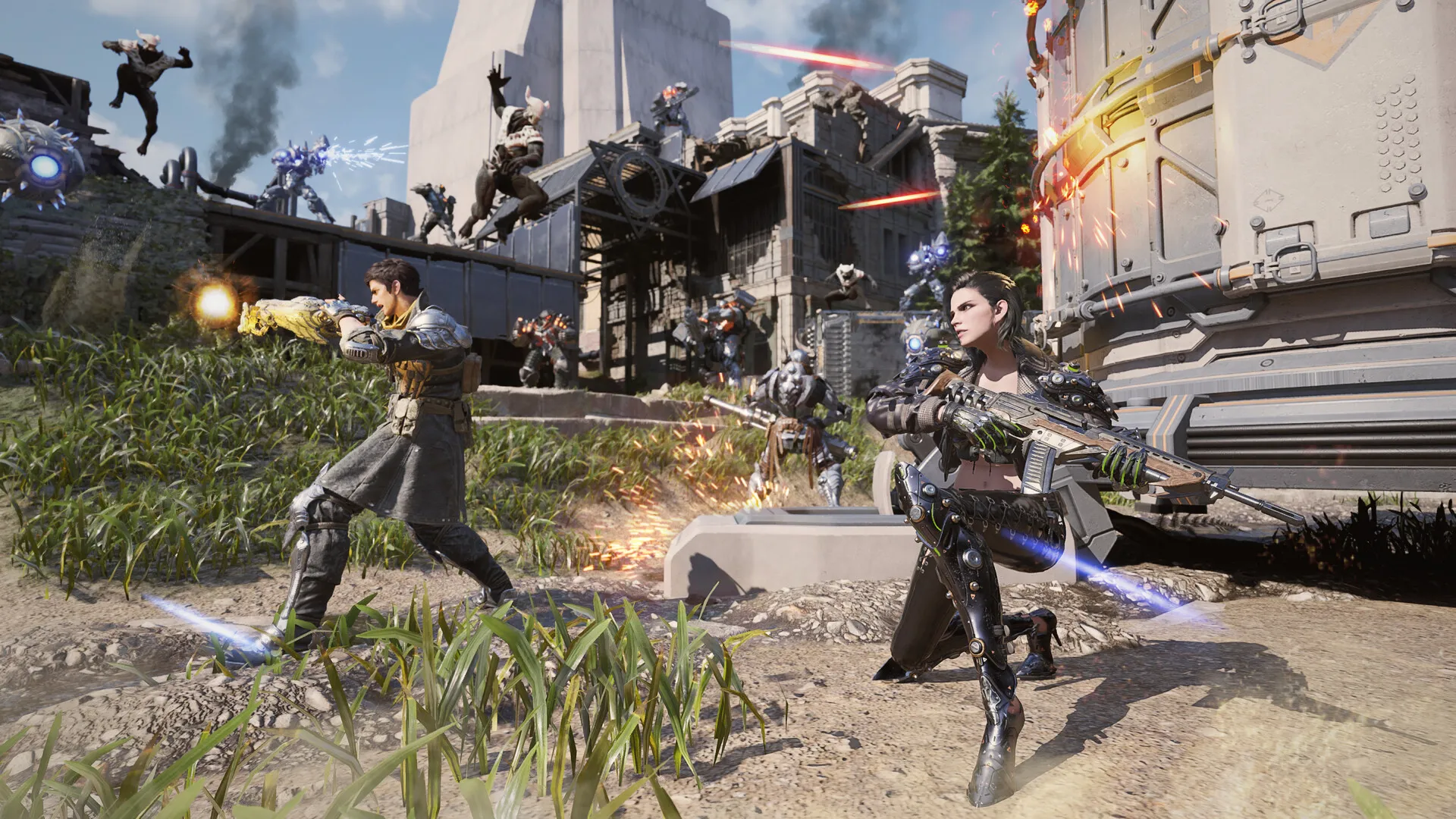
3. RNG‑Locked Components: The True Progression Barrier
While material bloat is frustrating, RNG‑locked components are the true bottleneck in The First Descendant. Many key items required for crafting Descendants or weapons have extremely low drop rates. Players may spend hours farming a single boss or mission without receiving the component they need.
This creates a progression system that feels inconsistent and unfair. Instead of rewarding skill or effort, the game often rewards luck. Some players obtain rare components quickly, while others grind endlessly. This disparity leads to resentment and discourages long‑term engagement.
Examples of RNG Walls
- Rare boss components
- Low‑drop‑rate enhancement materials
- Mission‑specific RNG tables
Why RNG Hurts Progression
RNG undermines player agency, making progression feel unpredictable and unrewarding.
4. Upgrade Inflation: When Power Requires Too Many Steps
Upgrade inflation is another major issue. Enhancing weapons, modules, and Descendants requires multiple layers of materials, each with its own farming requirements. Instead of a straightforward upgrade path, players must navigate a complex web of enhancement materials, catalysts, and RNG‑based success rates.
This inflation creates a sense of diminishing returns. Players invest significant time and resources into upgrades, only to see marginal improvements. The system feels bloated, and the cost of progression increases exponentially as players approach higher tiers.
Layers of Upgrade Inflation
- Module enhancement
- Weapon tuning
- Descendant optimization
The Cost of Complexity
Too many upgrade layers dilute the satisfaction of becoming stronger.
5. The Grind Loop: When Farming Becomes the Game
The First Descendant’s progression economy forces players into repetitive farming loops. Instead of engaging with diverse content, players often repeat the same missions or bosses for hours. This repetition is not inherently bad — many looter‑shooters rely on farming — but the issue lies in the lack of meaningful variation.
Because so many materials are tied to specific missions, players cannot diversify their activities. They must farm the same content repeatedly, leading to burnout. The game’s combat and movement are enjoyable, but the grind loop overshadows these strengths.
Symptoms of Grind Fatigue
- Repeating the same boss dozens of times
- Farming one region for hours
- Feeling forced into specific missions
Why the Grind Feels Worse
The grind is not supported by enough variety or alternative progression paths.
6. The Economy’s Impact on Build Diversity
One of the most damaging consequences of the fragmented progression economy is its impact on build diversity. Because crafting and upgrading are so resource‑intensive, players hesitate to experiment with new Descendants or weapons. Instead, they stick to a small number of meta builds that offer the best return on investment.
This undermines the game’s design philosophy. The First Descendant encourages players to explore different playstyles, but the economy punishes experimentation. Trying a new build requires hours of farming, making it a risky investment for players who are unsure whether the build will be viable.
Effects on Player Behavior
- Avoiding new Descendants
- Ignoring non‑meta weapons
- Sticking to safe, proven builds
The Lost Potential
The game’s rich build system is overshadowed by economic barriers.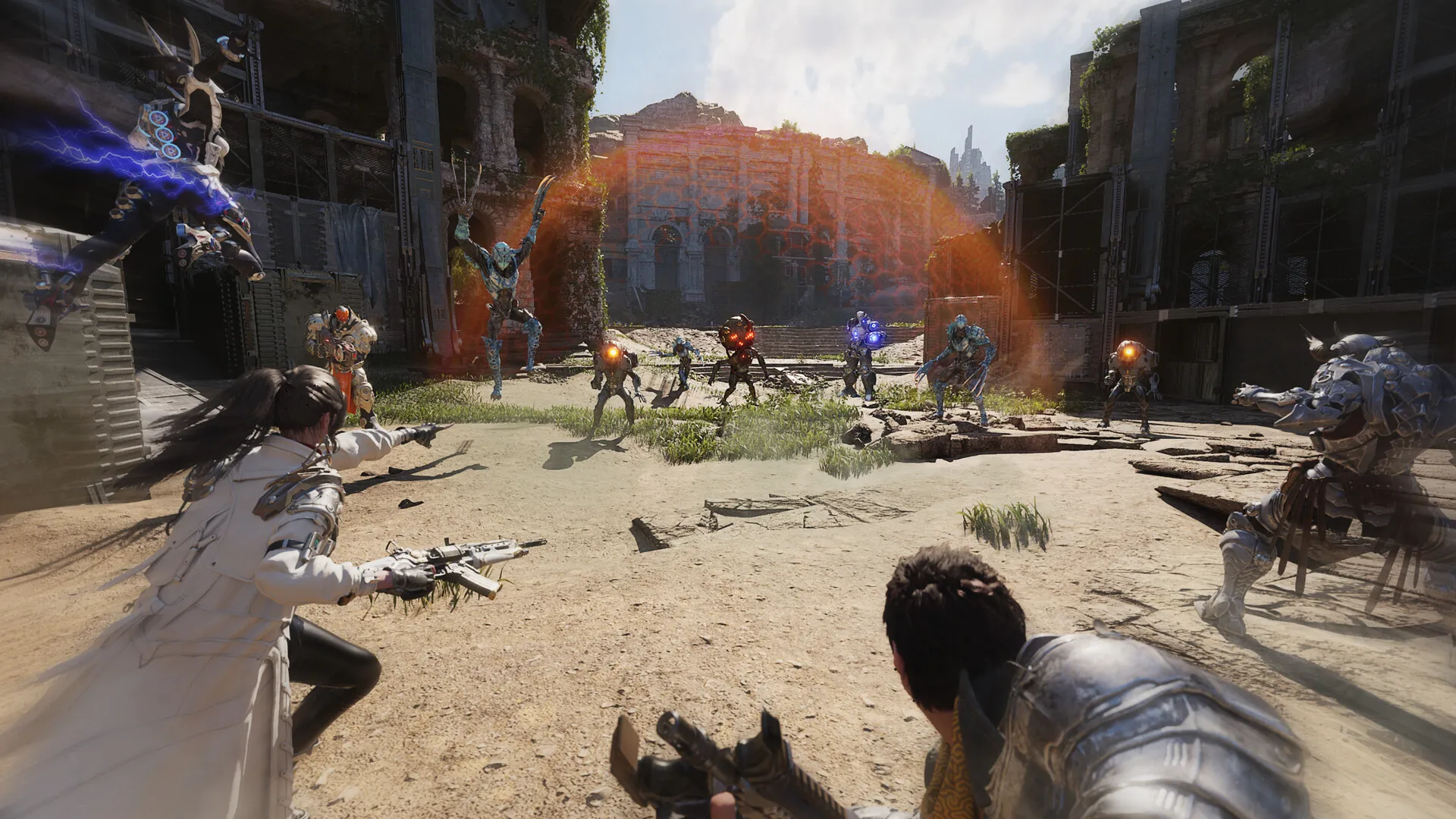
7. The Social Consequences: How the Economy Shapes Co‑Op Play
The First Descendant is designed as a co‑op experience, but the progression economy creates tension within groups. Players with poor RNG or limited time fall behind, making it difficult to participate in high‑level content with friends. This creates a divide between “lucky” players and “unlucky” ones.
Additionally, the grind‑heavy nature of the economy encourages solo farming. Players spend hours repeating the same missions alone, reducing opportunities for organic co‑op interactions. The game’s social potential is undermined by its economic structure.
Social Issues Created by the Economy
- Progression gaps between friends
- Reduced co‑op engagement
- Pressure to farm instead of socialize
The Co‑Op Paradox
A game built for co‑op unintentionally pushes players into solo grinding.
8. The Monetization Connection: When the Economy Drives Spending
The progression economy is closely tied to monetization. The difficulty of farming materials and the frustration of RNG walls create incentives for players to spend money on boosters, materials, or premium currency. While monetization is expected in a free‑to‑play game, the connection feels too direct.
Players often feel pressured to spend money not for convenience, but to avoid burnout. This creates a perception that the economy is intentionally designed to be slow and punishing. Whether or not this is true, the perception alone damages trust.
Monetization Pressure Points
- Boosters that reduce grind
- Premium materials
- Paid shortcuts for crafting
The Ethical Question
When does monetization cross the line from optional to manipulative?
9. Community Backlash: How Players Respond to the Economy
The fragmented progression economy has sparked significant backlash within the community. Players express frustration on forums, social media, and review platforms. Many argue that the game’s potential is hindered by its economic structure, and they call for major reforms.
Despite the criticism, players remain hopeful. The First Descendant has strong core gameplay, and many believe that adjustments to the economy could transform the experience. The community’s passion reflects the game’s potential — and the urgency of addressing its issues.
Common Community Complaints
- Excessive grind
- Unfair RNG
- Material overload
The Silver Lining
Community feedback provides a roadmap for meaningful improvements.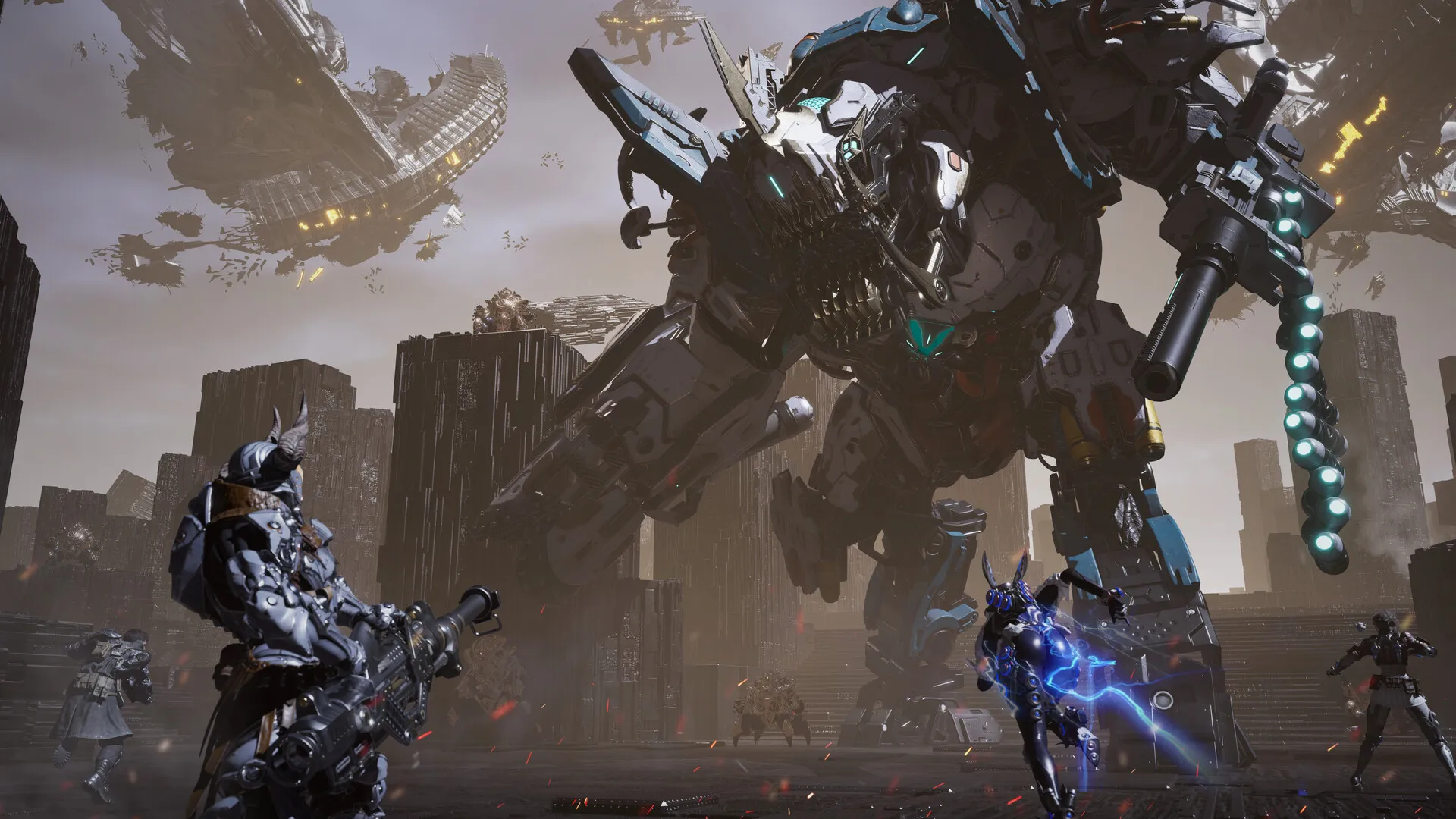
10. The Path Forward: How the Economy Could Be Improved
Fixing the progression economy requires a combination of simplification, transparency, and alternative progression paths. Reducing material bloat would make crafting more intuitive. Improving drop rates or adding pity systems would reduce RNG frustration. Offering multiple ways to earn key materials would diversify gameplay.
The First Descendant has the potential to become a top‑tier looter‑shooter, but only if its economy supports — rather than hinders — player progression. By addressing the core issues, the developers can create a more rewarding and sustainable experience.
Potential Improvements
- Reduce material types
- Add pity systems for rare drops
- Provide alternative farming paths
- Improve in‑game explanations
A Hopeful Future
With thoughtful adjustments, the game’s economy could become one of its strengths.
Conclusion
The First Descendant offers thrilling combat, beautiful environments, and a promising build system. But its fragmented progression economy — defined by material bloat, RNG walls, and upgrade inflation — creates unnecessary barriers that frustrate players and limit the game’s potential. By understanding how these issues evolved and how they affect the player experience, we can see the importance of reforming the economy. With the right changes, The First Descendant could evolve into a more accessible, rewarding, and enduring looter‑shooter.